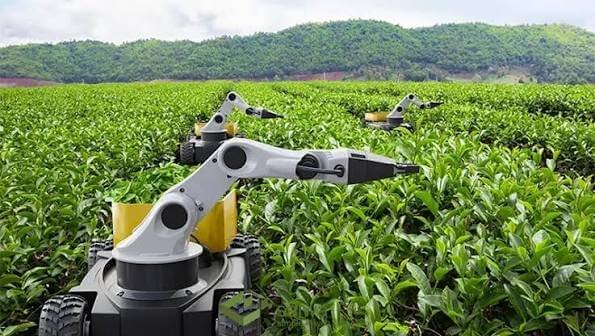
AI in farming translates sensor data into actionable steps. Soil moisture, temperature, and nutrient readings feed algorithms that adjust sowing depth, irrigation timing, and input use. Drones and autonomous machines enable ongoing field scouting and precise applications. Dashboards convert imagery into clear protocols. Pilot programs show rapid value and scalable potential, while ethics shape access and transparency. The landscape invites further scrutiny as practitioners weigh reliability, cost, and implementation hurdles.
What AI Means for Modern Farming
AI reshapes farming by integrating data-driven decision-making into everyday agricultural practices. Modern agriculture leverages AI to optimize inputs, monitor crop health, and forecast yields, enabling proactive management rather than reactive fixes. Precision farming emerges as a core method, aligning resources with need. While opportunities grow, ethics considerations demand transparency, accountability, and equitable access to technologies across farming communities.
Sensor-Driven Insights: From Soil to Sprout
Sensor-driven insights translate soil conditions into actionable guidance for crop emergence and growth.
Sensors collect real-time data on soil moisture, temperature, and nutrient levels, translating signals into targeted interventions.
AI analyzes patterns, predicting optimal sowing depth and watering cadence.
This approach reduces crop stress by aligning moisture delivery with plant demand, enabling consistent germination, healthier sprouts, and efficient resource use.
AI in Field Operations: Drones, Equipment, and Irrigation
Drones, autonomous equipment, and smart irrigation systems are transforming field operations by delivering precise, real-time management across large agricultural areas. In this context, AI coordinates aerial scouting, autonomous implements, and soil-moisture data to optimize tasks.
Emphasis remains on practical reliability, including drones maintenance routines and robust irrigation scheduling, ensuring scalable, cost-effective outcomes while preserving farmer autonomy and field integrity.
Turning Data Into Decisions: Case Studies and Getting Started
What happens when collected data moves from insight to action? Case studies illustrate structured data interpretation leading to repeatable decision making across farms. Platforms translate sensors, imagery, and records into actionable dashboards, alerts, and protocols.
Getting started emphasizes defined goals, data quality, and stakeholder alignment. Lightweight pilots reveal value quickly, then scaling supports resource optimization, risk reduction, and greater operational freedom through informed choices.
Frequently Asked Questions
How Much Does AI Adoption Cost for Small Farms?
AI adoption costs for small farms vary, but upfront investments range from a few thousand to tens of thousands, with ongoing expenses. AI integration depends on scale; cost considerations include hardware, software, data services, and maintenance.
Can AI Replace Human Agronomists Entirely?
AI cannot fully replace human agronomists; satire aside, experts note automation has limits. The analysis emphasizes AI ethics, human oversight, and nuanced field judgments, arguing that autonomy remains bounded by responsibility, context, and practical uncertainties.
What Training Is Needed to Use AI Tools?
Training programs and hands on workshops provide foundational skills for using AI tools, including data interpretation, model basics, and ethical considerations; participants develop practical competencies, enabling independent experimentation while preserving professional autonomy in agricultural decision-making.
Are AI Systems Trustworthy for Crop Yield Forecasts?
AI systems offer helpful crop yield forecasts but are not fully trustworthy; their reliability depends on data quality, model assumptions, and transparent validation. They may exhibit chance alignment and model bias, necessitating cautious interpretation and continuous auditing.
How Is Data Privacy Managed With AI Farming Apps?
Data privacy concerns drive 78% of farmers to scrutinize app permissions before adoption, as data ownership remains contested. Data privacy frameworks and transparent terms are essential; clear ownership policies empower producers to control, share, or monetize their information.
See also: How Data Loss Prevention Technology Protects Business Information
Conclusion
Farmers increasingly rely on AI to translate sensor data into precise field actions, from sowing depth to irrigation timing. Drones and autonomous machines expand scouting and application accuracy, while dashboards consolidate imagery and records into actionable protocols. Pilot programs illustrate rapid value and scalable improvements, guided by transparent, accountable practices and equitable access. Yet as technology evolves, must adoption remain farmer-centric, balancing innovation with reliability, data privacy, and practical usability to sustain long-term farming resilience?
